Why these early meetings are important
WoodVALOR officially started on 1 June 2025 as an EU-funded Research and Innovation Action. The project will run for three years, ending on 31 May 2028. Linq Consulting & Management coordinates the project, which is funded by the Circular Bio-based Europe Joint Undertaking under the EU research framework.
The main challenge is clear. Contaminated post-consumer and industrial wood is difficult to recycle into new materials because it contains coatings, adhesives, preservatives, and metals. Still, this wood has valuable cellulose, hemicellulose, and lignin that can be used as industrial ingredients. Studies show that both physical impurities and chemical contamination in waste wood vary by source and quality grade. This directly affects whether recycling is technically possible, safe, and cost-effective.
With this in mind, the first two consortium meetings had two main goals: to set a shared technical and regulatory starting point, and to begin turning the project concept into testable, connected process steps.
Kick-off meeting in East Grinstead
The project’s kick-off meeting was held in East Grinstead at the start of the work. It brought together technology providers and end users to focus on the main goal: creating new, practical ways to turn contaminated waste wood into ingredients for paints, coatings, pigments, and biochar.
One key result from this first meeting was agreement that technical development and real-world readiness should move forward together. The project’s roadmap highlights that decontamination and fractionation need to be designed with later conversion and product formulation in mind, so early decisions do not cause problems later on.
The kick-off also showed that regulatory planning will be part of the project from the beginning. Alder BioInsights is leading regulatory mapping and supporting the project’s Safe and Sustainable by Design approach. This is especially important for contaminated wood, where rules about classification, handling, and mixing hazardous and non-hazardous material affect what can be done at scale.
Progress meeting in Limerick
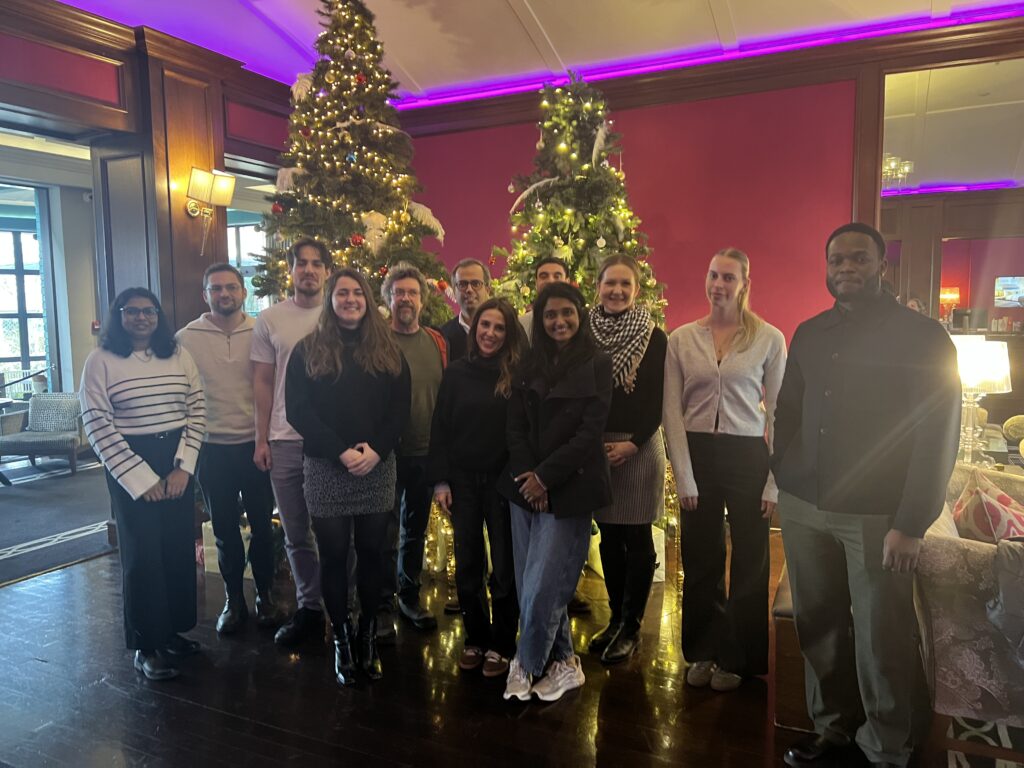
In December 2025, the consortium met in Limerick for an early progress meeting hosted by Celignis. The focus was practical: making sure everyone was aligned on decontamination, fractionation, and conversion routes, and sharing early lab results.
This meeting was designed as an early-stage check-in. The goal was not to present finished processes, but to see which technical assumptions hold up with real contaminated wood and to spot any challenges when linking the steps into a single value chain.
Priorities for the next phase
Overall, the first two meetings achieved what early consortium coordination should: shared technical direction, initial experimental results, and a realistic view of what needs to be solved next.
The long-term goal is to demonstrate that contaminated wood can be used as a feedstock for durable materials and restoration-focused co-products, rather than being seen solely as a disposal problem. The first meetings show the consortium is building this ambition on evidence, early testing, and the practical questions that will decide if circular systems can work at scale.